Most business owners do not struggle because they “lack data”.
They struggle because they cannot get clear answers to basic questions without digging through apps, spreadsheets, emails, or someone’s memory.
Questions like:
-
Are we actually making money on what we sell?
-
Which products, customers, or job types are worth focusing on?
-
Why does the bank balance feel tight when sales look fine?
-
Where is time being lost every week?
-
Why do the numbers change depending on who you ask?
-
What should we change first to improve performance?
This is usually when the question comes up:
Do I need a bookkeeper, an accountant, or a data analyst?
If the phrase “business data” already makes you want to close the tab, start here first. It explains what data actually means in plain English.
https://grifflepop.com/business-data-basics/
The simple difference
Here is the clean way to think about it:
-
Bookkeeping records transactions accurately and keeps financial records organised.
-
Accounting helps with compliance, tax, financial reporting, and financial advice based on accounts.
-
Data analysis connects information across the business to answer questions that support decisions.
They are not competing roles. They solve different problems.
Most businesses do not need to “pick one forever”. They need the right one for the problem they are facing right now.
What a bookkeeper is best for
A bookkeeper is the person you hire when you do not trust your financial records yet.
You need a bookkeeper first if:
-
invoices are not logged consistently
-
expenses are missing, miscoded, or unlabeled
-
payments are not matched properly
-
you do not know what is owed to you or what you owe
-
your bookkeeping software is out of date or half-used
-
month-end is always a scramble
A bookkeeper helps you get the foundations right. If the basics are wrong, every report built on top is wrong.
A quick note on “messy spreadsheets”
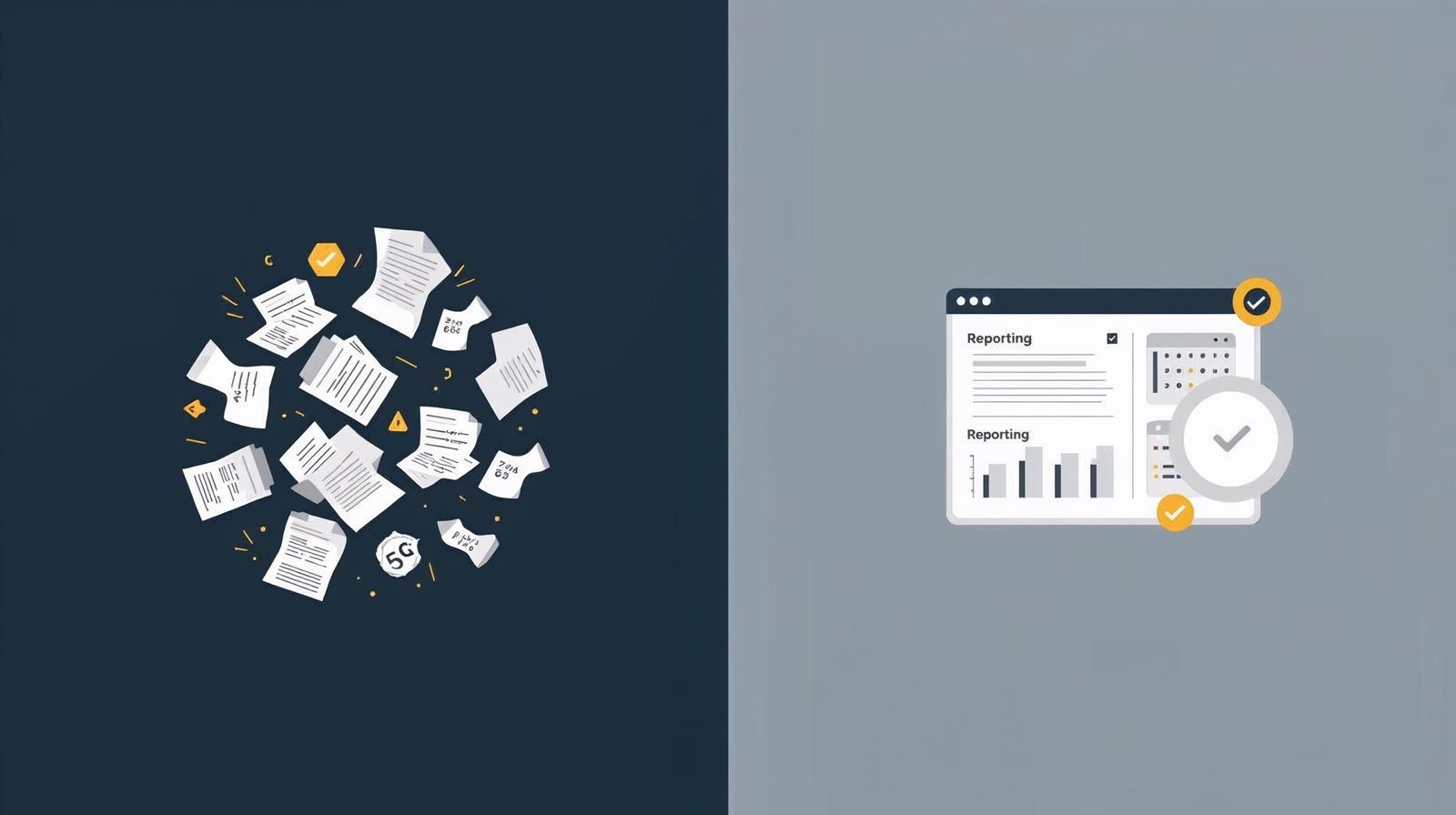
A lot of businesses describe their situation as “spreadsheet chaos”.
Sometimes that is a bookkeeping problem (transactions are not being recorded cleanly). Sometimes it is a reporting problem (the business does not have one consistent place to capture and use information).
If you are spreadsheet-based and want to simplify what you track and how you track it, this guide will help:
https://grifflepop.com/small-business-spreadsheets/
If your bookkeeping is fine but the reporting still feels messy, that is usually where dashboards, tracking, and better structure make the difference.
https://grifflepop.com/fix-reporting-mistakes/
What an accountant is best for
An accountant helps you understand the business through a financial and compliance lens.
You need an accountant first if:
-
you need VAT returns, year-end accounts, or tax advice
-
you are changing business structure (sole trader to limited company, partnerships, etc.)
-
you need to plan for tax and cash obligations
-
you need accounts for lenders, mortgages, or investors
-
you want advice based on proper financial statements
A good accountant can help you plan and forecast too, but their work usually starts with your financial records.
One important point
Accountants are not “better bookkeepers”. They rely on bookkeeping being accurate. If the books are messy, everything becomes harder and slower.
What a data analyst is best for
A data analyst is useful when the books can be fine and compliance can be handled, but you still cannot see what is actually driving performance.
This is the gap many businesses fall into.
You can be compliant and still feel blind.
You need a data analyst when:
-
you want to know what is driving profit and loss beyond “sales up or down”
-
you cannot see performance clearly across operations, customers, and finance together
-
reporting takes too long and nobody trusts it
-
important decisions are still being made on instinct because the information is unclear
-
you know the data exists, but it is spread across different systems
Data analysis is not “just financial reporting”.
It is about connecting your data so you can answer questions like:
Operations
-
Which step in our process causes delays or rework?
-
Where do jobs overrun and why?
-
What is our real capacity, and what is utilisation like?
Customers
-
Where do our best customers come from?
-
Who buys once and never returns, and why?
-
What complaints repeat and what do they cost us?
Sales and marketing
-
Which lead sources actually convert, not just generate clicks?
-
What is the sales pipeline telling us about next month?
-
Which offers perform best by channel?
Delivery, assets, engineering, fleet
-
What faults or incidents repeat, and what do they cost?
-
Which assets create the most downtime?
-
How do we reduce avoidable spend through patterns, not guesswork?
Finance
-
Why is margin low and what is causing it?
-
Which products, customers, or job types are profitable?
-
Are we underpricing because we do not know true costs?
If you are dealing with low profit margins and want to prove the cause instead of guessing, this guide helps.
https://grifflepop.com/what-causes-low-profit-margin/
If you want to stop underpricing by calculating job costs properly, start here.
https://grifflepop.com/true-cost-of-a-job/
If you want a simple framework for what to track so decisions get easier, this lays it out clearly.
https://grifflepop.com/what-should-a-small-business-actually-track/
If you want a set of KPIs that work for many businesses without getting overcomplicated, start here.
https://grifflepop.com/essential-sme-kpis/
The decision guide: who you need first
Use this like a quick checklist.
If your financial records are messy or you do not trust them
Hire a bookkeeper first.
Signs:
-
you do not trust the profit number
-
invoices and expenses are inconsistent
-
cash surprises happen constantly
-
nobody can explain what is due in and out without checking multiple places
If you need compliance, tax, structure, or year-end accounts
Hire an accountant (and often a bookkeeper too if the books are not solid).
Signs:
-
VAT and tax deadlines cause stress
-
you do not know how much to set aside
-
you are unsure whether your structure is right
-
you need proper accounts for lending or formal reporting
If your numbers are “fine” but decisions still feel like guesswork
Hire a data analyst.
Signs:
-
you do not know what is driving performance across the business
-
you cannot answer operational questions without manual work
-
you know problems exist but cannot prove where the biggest leak is
-
you cannot see one version of the truth across sales, operations, customers, and finance
-
reporting takes hours and still does not feel reliable
If you are unsure whether a dashboard is the next step, these signs help you decide.
https://grifflepop.com/need-a-dashboard/
When you need more than one (the most common setup)
For many businesses, the best long-term setup looks like this:
-
Bookkeeping keeps financial inputs clean and consistent
-
Accounting keeps you compliant and helps you plan financially
-
Analysis connects information to decisions across the business
They are different layers. Each one makes the others more valuable.
A common mistake: jumping straight to dashboards
Dashboards can be brilliant, but only when the underlying process is stable.
If reporting already feels painful because numbers live in different places, start here first.
https://grifflepop.com/fix-reporting-mistakes/
If you can only afford one right now
Do not hire based on titles. Hire based on your biggest current constraint.
-
If you do not trust the numbers, pay for clean inputs first (bookkeeping).
-
If you need protection and clarity around tax and accounts, pay for accounting.
-
If you want better decisions across the business, pay for analysis.
A simple “analysis” starting point for many businesses is building one clear view of:
-
what you sell or deliver
-
time, cost, and outcomes
-
where customers come from and how they behave
-
where delays, errors, or waste repeat
-
what is actually driving profit, not just revenue
That alone can change what you prioritise, what you stop doing, and where you focus effort.
Where GrifflePop Analytics fits
If you already have bookkeeping and accounting covered, but you still cannot see what is driving performance across the business, that is where I help.
If you want to see the services I offer, go here: https://grifflepop.com/services/
If you’re still unsure on where to begin, you can contact me through our contact page to book a free, no obligation, 45 minute consultation to discuss your position and see if GrifflePop Analytics is right for you.
Discover more from GrifflePop Analytics
Subscribe to get the latest posts sent to your email.