The Beginner’s Guide to Understanding Your Business Data
If you feel a bit lost when people start talking about data, you are not alone. Most small business owners I speak with admit the same thing. They usually tell me something like, “I know my business well, but I never know what to do with my numbers.”
Here is the good news. You do not need to be a data expert to understand the information that drives your business. You simply need a clear starting point and a straightforward way of looking at things. That is what this guide is for.
What do we actually mean when we talk about data?
Forget complicated jargon for a moment. Your business data is really just the information you already collect without thinking too much about it. Things like:
-
How many enquiries you receive each week
-
What people buy most often
-
How long your projects take
-
What your monthly expenses look like
-
Which marketing channels bring in the best customers
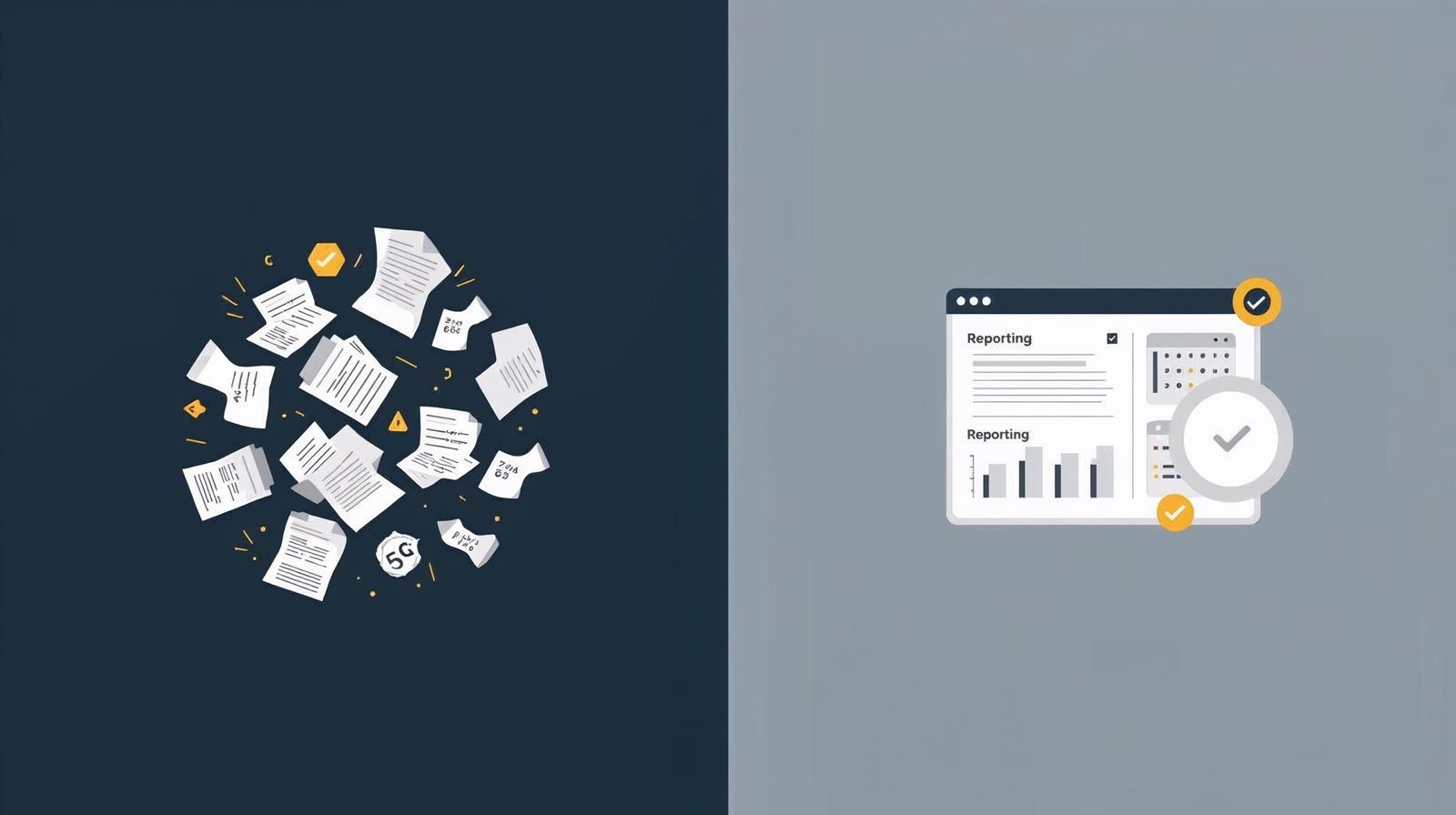
You already have this information. The challenge is bringing it together in a tidy, meaningful way so it can help you make decisions with confidence.
If you want a clear starting point on what to track (without getting buried in KPIs), this guide will help: What Should a Small Business Actually Track? A Clear Way to Get Started.
Why understanding your data matters more than you think
A lot of business owners rely on instinct. Instinct is valuable, but it can only take you so far. Data gives you something different. It gives you clarity.
Here are a few examples of situations I have come across during my years working in data:
-
A transport team discovered that the routes they believed were running most efficiently were actually the ones causing the highest overtime costs once everything was added up.
-
A water company realised that most customer complaints were linked to the same small cluster of postcodes, which helped them fix the issue far faster than expected.
-
A gas distribution team found that the longest delays in their jobs consistently came from one specific stage of their workflow, which gave them a clear place to start improving.
-
A finance department spotted that a process they thought was quick and reliable was actually the slowest part of their month end once everything was mapped properly.
None of these insights came from complicated analysis. They came from looking at the right information in a simple way.
Start with the questions, not the numbers
A lot of people get stuck because they focus on tools first. They think they need a fancy dashboard before they can start.
In reality, all you need to begin is one clear question. Something like:
-
Which products or services bring in the most profit?
-
Where do my best customers come from?
-
What tasks take the most time?
-
What is slowing the business down?
If you want a simple list of KPIs most SMEs track once they are comfortable with the basics, this is a good next read.
Once you know the question, the data you need becomes obvious.
Keep things simple at the start
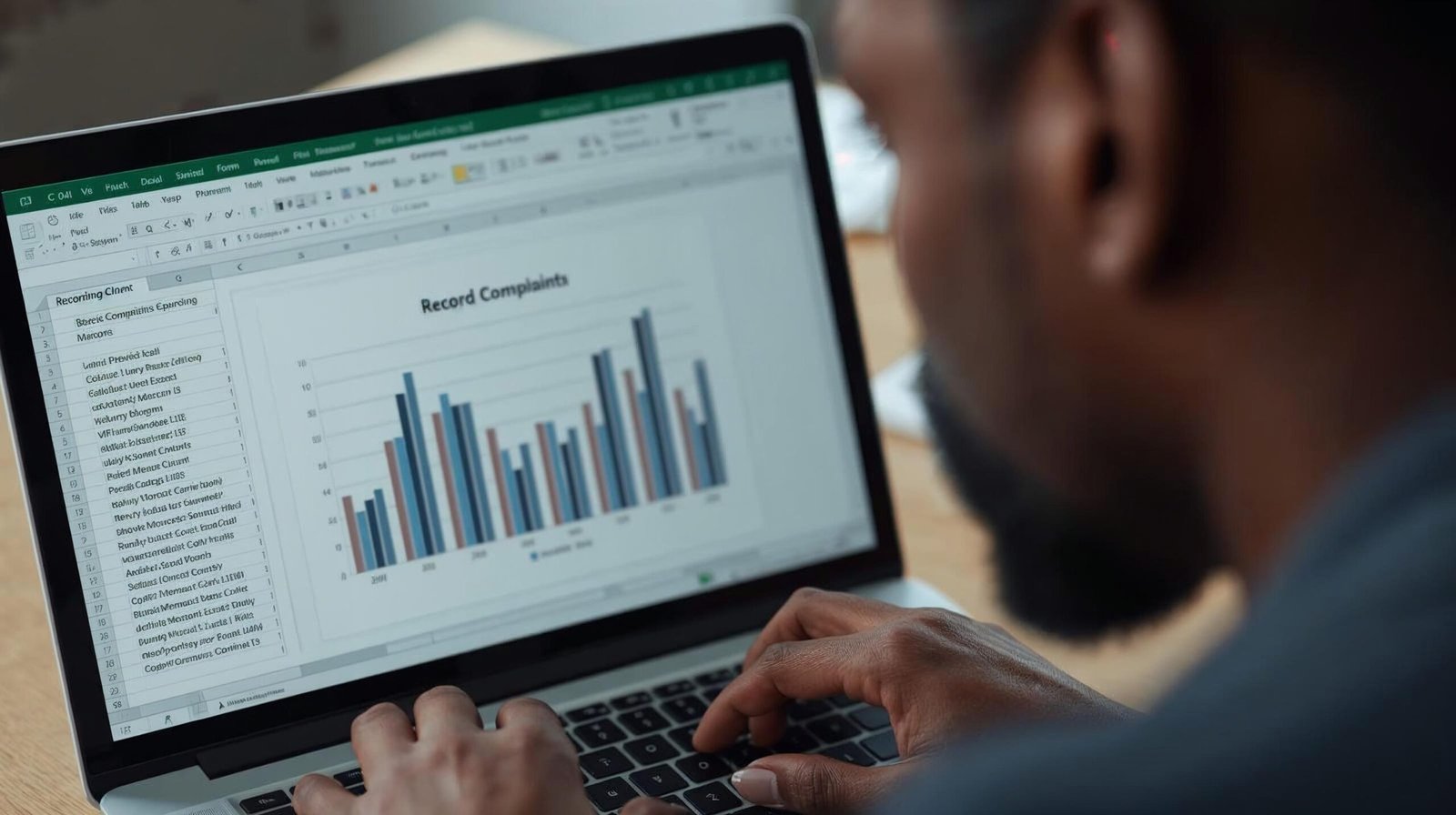
You do not need a complex system to begin learning from your data. A simple spreadsheet is often more than enough, as long as it stays tidy and consistent. If you want examples of the few spreadsheets most small businesses actually use (and how to keep them simple), start here.
Here are a few easy ideas you can start using right away:
-
Track the source of every new enquiry for a month.
-
List your top ten products or services and note how often people buy them.
-
Record the time it takes to complete your most common jobs.
-
Look at your expenses and highlight anything that surprises you.
Small, consistent tracking beats complicated plans that never get used.
What to do once you feel more confident
Once you get used to looking at your numbers regularly, you will reach a point where a dashboard or automation genuinely helps. These signs will help you tell the difference between “useful” and “another thing to maintain”.
That is the stage where tools like Power BI or Tableau begin to make sense. They tidy everything up, save hours of manual work, and make patterns easier to spot. If the phrase “Business Intelligence” still feels vague, this explains what it actually means in everyday terms.
But that comes later. Your first job is simply to get comfortable.
You do not need to do this alone
If you are reading this and thinking, “This is exactly what I need, but I still feel unsure,” please know that it is completely normal. Many people feel this way at the start.
My aim at GrifflePop Analytics is not just to create dashboards. I also help people understand what their data is trying to say, guide them through the learning curve, and build confidence step by step. You do not need to become a data professional. You just need support and a clear path.
Final thought
Understanding your business data is not about being clever or technical. It is about giving yourself a clearer picture so you can make better choices, save time, and grow with confidence.
If you have ever felt overwhelmed by numbers, start small. Ask one good question. Look for one simple answer. That is how data confidence begins.
Discover more from GrifflePop Analytics
Subscribe to get the latest posts sent to your email.





6 Responses