If you have ever searched for business KPIs, you have probably found long lists full of complicated terms that feel designed for huge companies with entire departments working on them. Most small and medium businesses do not need that level of complexity. They simply need a clear set of numbers that show what is working, what is not, and where to pay attention.
If you are not sure what to track first (or you feel like KPIs are the wrong starting point), start here: What Should a Small Business Actually Track? A Clear Way to Get Started.
This guide keeps things simple. These are the ten KPIs that actually matter for most SMEs, along with why they are useful and how to start tracking them without feeling overwhelmed.
1. Customer enquiry count
This is the number of people getting in touch each week or month. It helps you understand whether your marketing is doing its job.
2. Conversion rate
How many enquiries turn into paying customers. Even a small increase here can make a big difference to your income.
3. Revenue from each product or service
You may think you know what brings in most of your money, but the data often reveals surprises. Seeing it clearly helps you focus your time where it matters.
4. Profit margin
This is about what you keep, not just what you earn. A product that sells well might still have a weak margin, and that is important to know early.
5. Customer retention rate
Keeping customers is usually cheaper than finding new ones. This number shows how well you are doing at maintaining relationships.
6. Average spend per customer
A simple way to spot growth opportunities. Increasing this even slightly can improve your overall revenue without needing more customers.
7. Project or task completion time
Whether you provide a service or deliver a product, knowing how long things actually take helps you spot delays and improve efficiency.
8. Source of customers
This is a big one. Knowing where your best customers come from helps you stop wasting time on marketing channels that are not working.
9. Operating costs
Nothing fancy here. Just a clear view of what you are spending. Tracking this monthly helps you catch issues before they become problems.
10. Customer satisfaction
This does not need to be a huge survey. A simple score or a few comments can show patterns that are easy to miss otherwise.
Why these KPIs work for SMEs
The aim is not to drown you in numbers. These ten KPIs give you a balanced view across sales, marketing, delivery and customer experience. They cover the parts of your business that most often drive growth, stress, and decision making.
If you are still getting your data into one place and keeping it consistent, this guide on common small business spreadsheets will help you keep things simple: https://grifflepop.com/small-business-spreadsheets/
Most importantly, they are easy to track in a simple spreadsheet before moving on to anything more advanced.
How to get started without feeling overwhelmed
Begin with two or three KPIs that feel most relevant right now. Trying to track everything at once can lead to frustration.
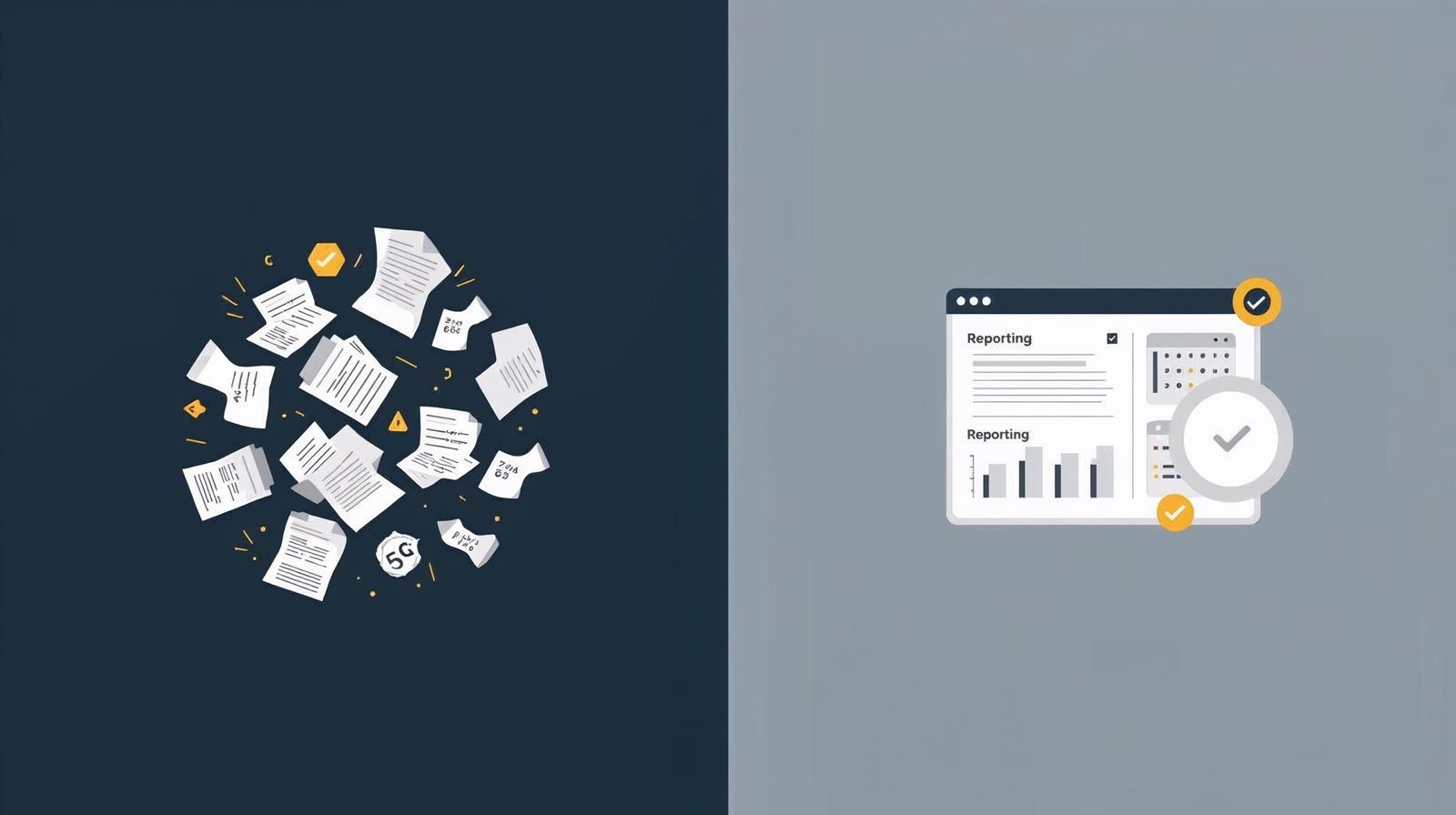
If tracking already feels time-consuming because your numbers live in different files, fix that first: How Small Businesses Can Fix Reporting Mistakes That Cost Time and Money.
For example, if you are trying to improve enquiries, focus on:
-
Enquiry count
-
Source of customers
-
Conversion rate
If your issue is time and workflow, choose:
-
Project completion time
-
Operating costs
-
Customer satisfaction
When these KPIs are being reviewed regularly, that is usually the point where a simple dashboard becomes worth it. These signs will help you decide.
Once you feel comfortable, you can add more over time. Good data habits grow naturally when you do not rush them.
Where GrifflePop Analytics comes in
A lot of people know they need to track KPIs but feel unsure about what they should measure first, how to set things up, or how to make sense of the numbers. That is where I come in. You can see how I help small businesses set this up in a practical way here.
At GrifflePop Analytics, my aim is not only to build dashboards. I help you decide which KPIs truly matter for your goals, guide you through understanding them, and support you while you turn those insights into stronger decisions.
Final thought
KPIs are not just numbers on a chart. They are a way of giving your business a clearer voice.
Pick a few to start with. Track them consistently. Learn from them.
Small steps, taken often, build strong data confidence.
Discover more from GrifflePop Analytics
Subscribe to get the latest posts sent to your email.





4 Responses