How Small Businesses Can Save Money Without Making Things Worse
Most advice on saving money in a small business focuses on cutting costs.
Cancel tools. Reduce spend. Delay decisions.
Sometimes that works. Often it creates new problems that cost more over time.
For most small businesses, the real issue is not spending too much. It is not knowing which spending actually supports the business and which spending quietly drains time, energy, and margin.
Saving money starts with understanding what your costs are doing, not just how much they are.
If this feels familiar, it often links back to how numbers are being tracked and understood in the first place. I’ve written more about that here: https://grifflepop.com/business-data-basics
Saving money starts with control, not cuts
Cost cutting is a reaction.
Cost control is a decision.
When you cut reactively, you remove things quickly without understanding the consequences. When you control costs, you decide deliberately what stays, what changes, and why.
Before removing any expense, ask:
What decision does this support?
What problem does it reduce?
What happens if it disappears?
If those answers are unclear, the problem is not the cost. It is visibility.
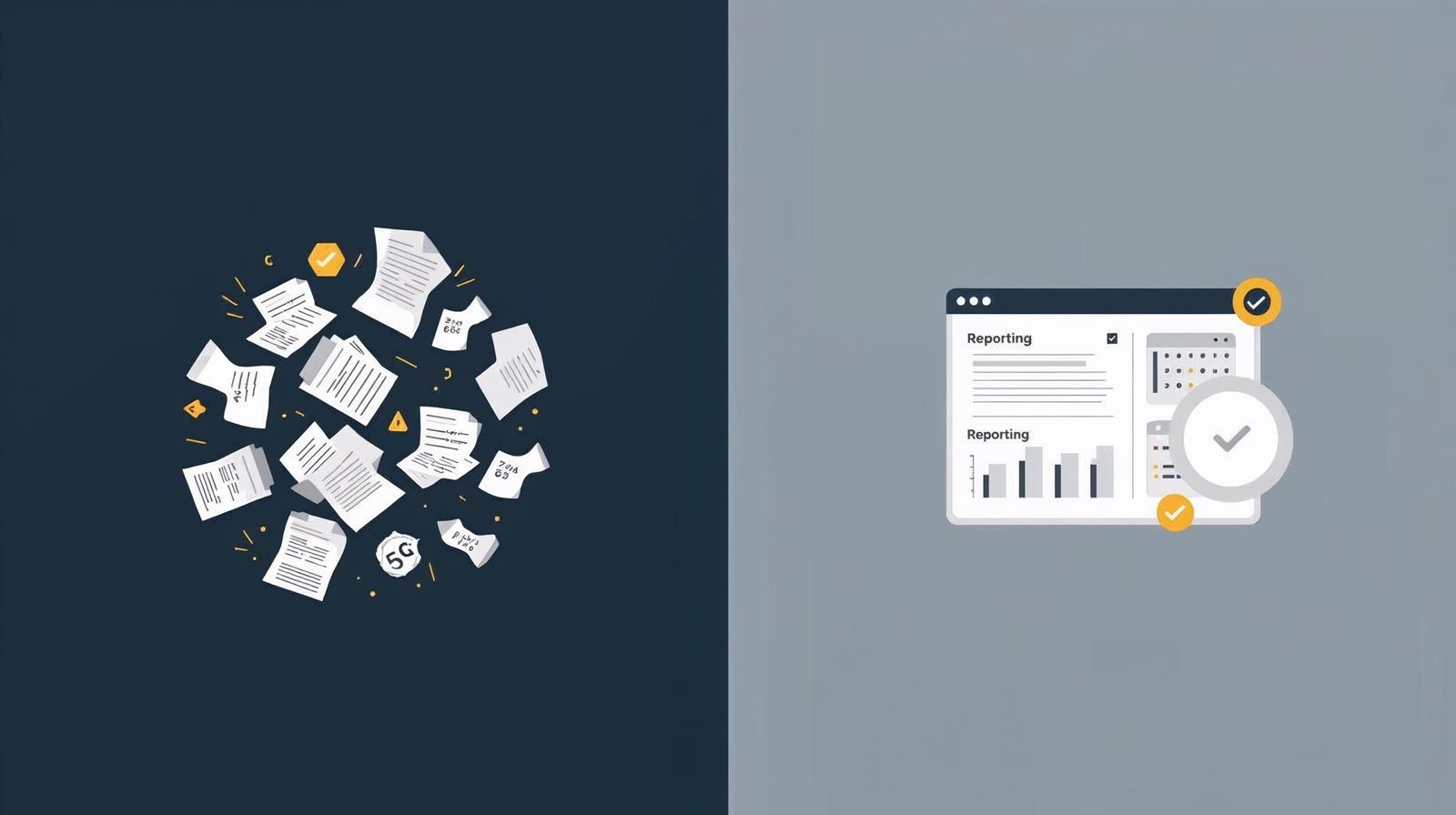
This is often the point where businesses realise they are missing a simple way of seeing what is really going on. In some cases, this is where a basic dashboard helps. In others, it is simply better structure. The signs are covered here: https://grifflepop.com/need-a-dashboard
The biggest leaks are rarely obvious
Small businesses rarely fail because of one large expense.
They bleed through:
Subscriptions nobody reviews
Manual processes that repeat every week
Errors that create rework
Time spent hunting for information
If most of that is happening inside spreadsheets, this shows how to simplify the few spreadsheets most small businesses actually need.
These do not show up as a single number. They show up as friction.
If you are not tracking where time goes or where work repeats, you are guessing where money goes.
That guesswork is expensive.
Many of these issues come from reporting habits that quietly evolve over time. Some of the most common ones, and how to fix them, are outlined here: https://grifflepop.com/fix-reporting-mistakes
Do not save money by removing visibility
One of the first things small businesses cut is anything that feels indirect.
Basic reporting. Tracking. Simple dashboards.
The intention is to save money. The result is slower decisions, more stress, and more mistakes.
You do not need complex systems. You need enough information to understand what is happening before problems stack up.
Removing insight rarely saves money. It usually delays problems until they cost more to fix.
Focus on decisions, not data volume
More data does not save money. Better decisions do.
A useful question is:
What decisions do I make every week?
What information would make those decisions easier?
What am I currently guessing?
If you are not sure what is worth tracking at this stage, start with this guide first. It helps you choose what matters before you worry about KPIs.
This keeps reporting practical and avoids building systems that look impressive but never get used.
If you are unsure what is actually worth tracking at this stage, this post breaks it down in simple terms: https://grifflepop.com/essential-sme-kpis
This decision-first approach is how GrifflePop Analytics works with small businesses. Reporting exists to support action, not to impress.
You can see how this approach is applied in practice here: https://grifflepop.com/services
Time is a cost, even if it is not on the balance sheet
Many small businesses track money closely but ignore time.
Time lost to:
Rebuilding the same reports
Fixing avoidable mistakes
Chasing information
Re-explaining numbers
This is still a cost. It just hides inside the working day.
Often, the fastest way to save money is to reduce wasted effort, not reduce spending.
Make cost control routine, not reactive
The businesses that save money most effectively do not wait for pressure.
They review regularly:
Recurring costs
Processes that feel heavier than they used to
Decisions that take longer than before
This keeps control steady and avoids panic.
If you only look at costs when things feel tight, you are already late.
Why this matters for small businesses
Small business decisions are personal.
The same person often makes the call and lives with the result. That means the margin for error is small.
Advice written for large organisations assumes spare capacity, specialist teams, and room to recover. That is not how most small businesses operate.
Saving money is not about cutting harder. It is about seeing earlier and deciding better.
That is the gap GrifflePop Analytics exists to close.
Discover more from GrifflePop Analytics
Subscribe to get the latest posts sent to your email.