What Should a Small Business Actually Track? A Clear Way to Get Started
Many small business owners know that data matters, but still feel unsure where to begin.
They hear advice about KPIs, dashboards and reporting tools, yet no one really explains what you should track first, or why. So data either gets ignored completely, or turns into a confusing collection of numbers that do not help with everyday decisions.
If that sounds familiar, you are not doing anything wrong.
Most businesses struggle because they are pushed straight into metrics before they have clarity.
If you are still not sure what Business Intelligence even means, this explains it in everyday terms.
The good news is that tracking does not need to be complicated to be useful.
Why tracking feels harder than it should
One of the biggest issues I see is businesses trying to measure too much, too early.
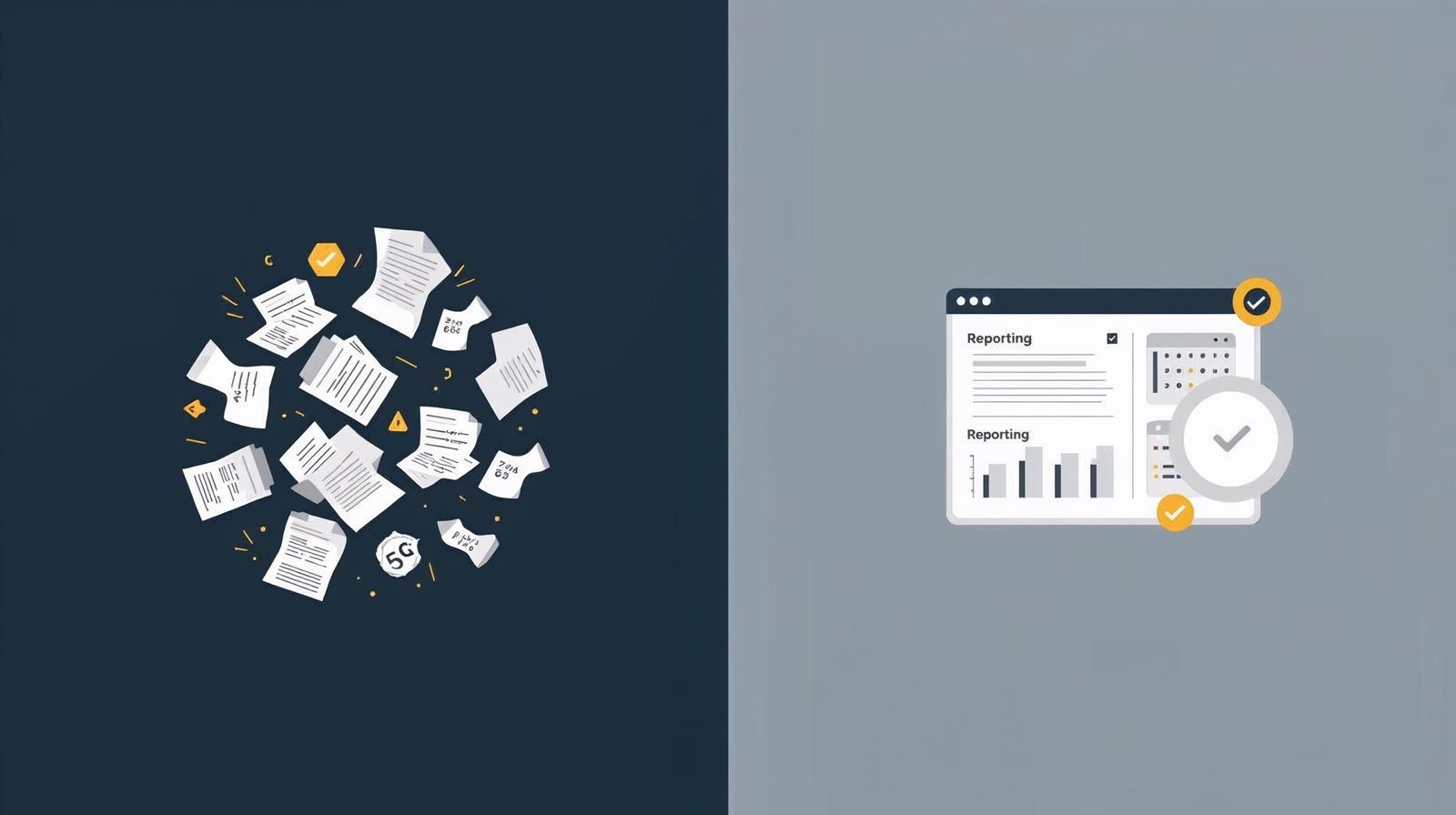
They jump straight into KPIs without knowing what questions they want answers to. Reports get created because they feel like they should exist, not because they are actually helping anyone. Over time, tracking starts to feel like extra work rather than something that supports the business.
If tracking feels hard because the numbers never match or updates take too long, these reporting mistakes are usually the cause.
The problem is rarely the tools.
It is starting in the wrong place.
A better way to think about tracking
Before worrying about metrics, dashboards or software, it helps to take a step back and think more simply.
Instead of asking, “What KPIs should I track?”, try asking:
Which parts of my business would benefit from clearer visibility?
For most small businesses, this usually comes down to a handful of areas.
Sales and income
This is not just about total sales. It is about noticing patterns.
When does income increase or dip?
Are there certain days, months or services that perform consistently better than others?
Even light tracking here helps with planning and reduces surprises.
Costs and spending
Many business owners have a general sense of their costs, but not always a clear view of where money is really going.
Tracking spending more clearly often highlights:
-
costs that creep up quietly
-
expenses that add little value
-
areas where margins are tighter than expected
This is one of the fastest ways to improve confidence around pricing and profitability.
Customers
You do not need complex systems to learn a lot about your customers.
Simple tracking can reveal:
-
who comes back again
-
who only buys once
-
who takes the most time to support
-
where most enquiries come from
These patterns often explain why growth feels easier in some areas than others.
Time and effort
Time is one of the most valuable, and most overlooked, forms of data.
Noticing how long tasks actually take, where delays happen, or which activities repeat unnecessarily can uncover opportunities to simplify work and reduce stress.
Often, small changes here have a big impact.
Day to day operations
This covers the practical side of running the business.
Things like response times, order processing, delivery delays or handovers between tasks. Tracking even a small amount of this information can highlight bottlenecks that are otherwise easy to miss.
Starting small is not a weakness
At this stage, you are not trying to build perfect reports.
You are simply building awareness.
Many businesses start with nothing more than:
-
simple notes
-
basic lists
-
weekly check ins
-
a habit of reviewing what happened
That is still data.
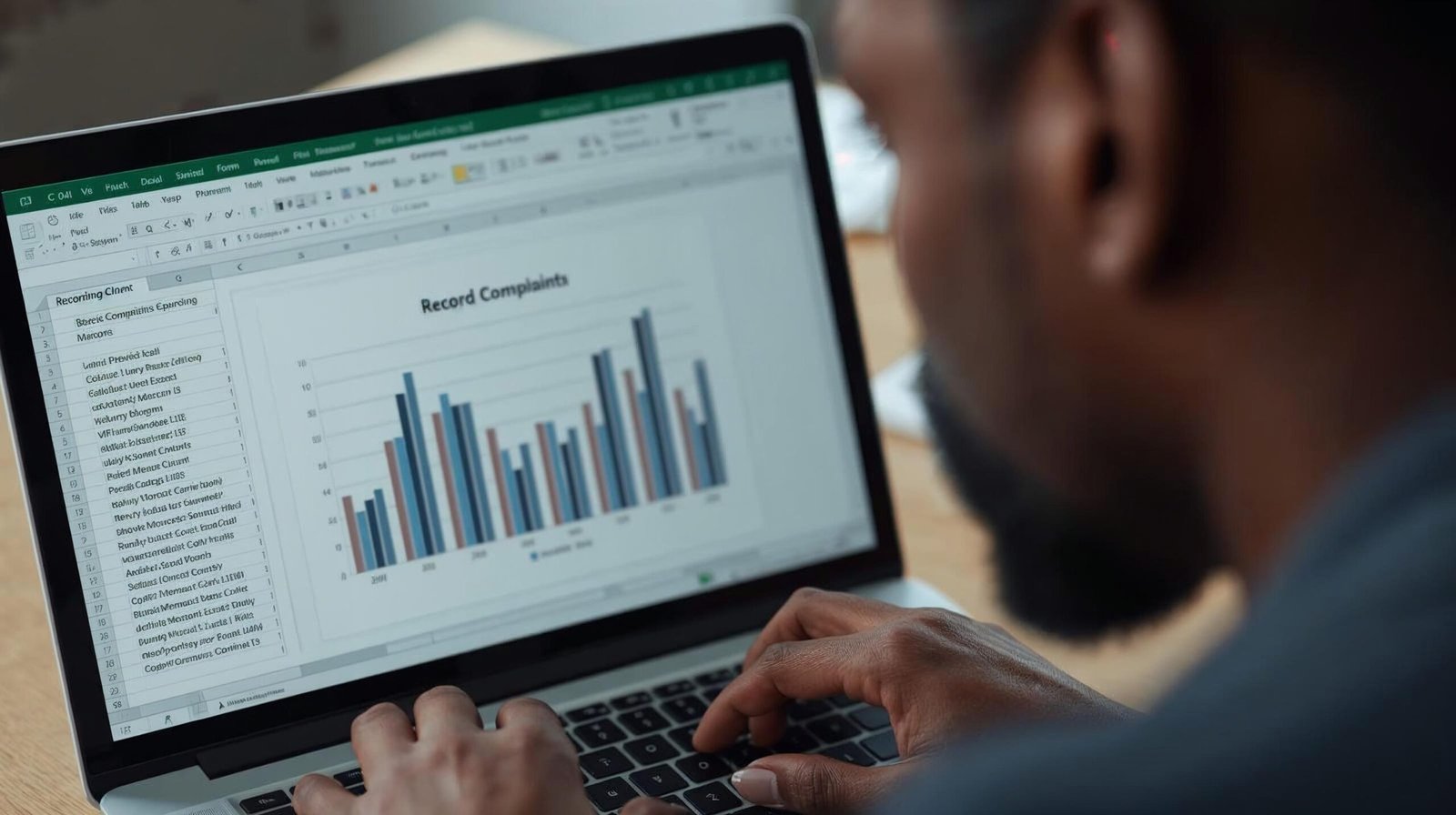
If you want examples of the few spreadsheets most small businesses actually use (and how to keep them simple), this will help.
Once you are clearer on what matters, it becomes much easier to decide which numbers are worth tracking properly.
If you are ready for that next step, this guide explains which KPIs are actually useful for small businesses: https://grifflepop.com/essential-sme-kpis/
And if you are unsure whether dashboards would genuinely help or just add noise, this article may help you decide: https://grifflepop.com/need-a-dashboard/
Why this approach works
Starting with clarity instead of complexity keeps tracking manageable.
It reduces the feeling of being overwhelmed.
It keeps effort focused on decisions that matter.
It builds confidence rather than confusion.
This is the approach I use when supporting small businesses and individuals who feel unsure about data or reporting. It works whether you are starting from scratch or already tracking a few things informally.
If you want to see how I support businesses with this kind of clarity, you can find more here: https://grifflepop.com/services/
A final thought
Data does not need to be technical to be useful.
Sometimes it is simply paying attention, noticing patterns, and asking better questions about your business.
Once you understand what to track, everything else becomes much easier.
If you would like a very gentle introduction to business data without jargon, this short guide might also be useful: https://grifflepop.com/business-data-basics/
External reference
If you are interested in wider guidance on planning and understanding business performance, the UK government provides a helpful overview here:
https://www.gov.uk/business-planning
Discover more from GrifflePop Analytics
Subscribe to get the latest posts sent to your email.





4 Responses